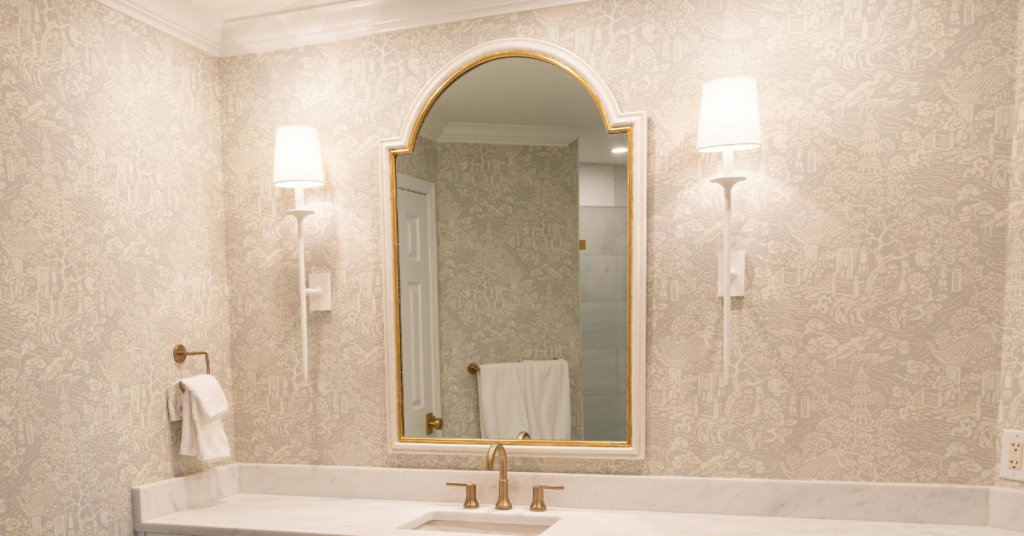
Mirror, mirror on the wall, etcetera, etcetera. The fact is, no one looks fair in a failing mirror. We’ve already talked about the general landscape of household glass damage. Today, we’re going narrower and deeper: mirrors specifically. Whether you’re staring at a spiderweb crack in the hallway, a dark edge creeping across your bathroom mirror, or something worse, this guide will help you understand what you’re dealing with, what your options are for mirror repair, and when it’s time to call a pro.
Common Types of Mirror Damage (and What They Mean)
Not all mirror damage is created equal. The type of damage you’re looking at determines whether repair is even possible:
- Cracks: Minor surface cracks may be addressable, but deep or spreading cracks compromise the mirror’s structural integrity.
- Chips: Small missing pieces along edges or at impact points: usually cosmetic, but sharp edges create real safety risks.
- Warping: A mirror that reflects a distorted image or no longer sits flush. Often a sign of improper installation or moisture damage behind the glass.
- Black edges and desilvering: That dark, blotchy creep along the edges of an older mirror? That’s mirror desilvering: the slow deterioration of the reflective silver coating behind the glass. Once it starts, it will continue to spread.
Can Mirrors Be Repaired? (What Homeowners Need to Know)
Mirror repair is possible in a limited number of situations, but homeowners often overestimate how much can actually be saved. A few key points:
- Small chips and surface scratches may be addressable with the right products and patience.
- Cracks, especially in wall-mounted mirrors, are almost always a replacement job. Structural damage can’t be reversed.
- Mirror desilvering is permanent. Once the silver backing begins to break down, the mirror cannot be restored to its original clarity; replacement is the only real fix.
- Warping typically indicates a deeper installation or moisture issue. Replacing the mirror without addressing the root cause will lead right back to the same problem.
In short, mirrors can be repaired under the right circumstances. When in doubt, get a professional assessment before investing time or money in a fix that may not hold.
DIY Mirror Repair: Quick Fixes That Actually Work
For minor damage, a few DIY approaches can buy you time or improve your mirror’s appearance:
- Scratch repair kits: Glass-polishing compounds can reduce the visibility of light surface scratches. Results vary based on depth and location.
- Mirror-backing repair kits: These are available at hardware stores and can slow the spread of minor mirror desilvering along edges. They are not a permanent solution, but they can extend the life of a mirror that’s otherwise in good condition.
- Chip edge tape: Temporary edge tape can cover sharp chipped edges while you arrange for professional assessment or replacement.
Note: It’s important to always wear cut-resistant gloves when handling a cracked or chipped mirror, and never attempt to remove a cracked wall mirror without proper protection and a helper. Finally, a broken bathroom mirror that has cracked through should be treated as a hazard, not a DIY project. Secure it and call a professional.
When to Replace Instead of Repair
Some mirror damage is simply beyond repair. Here’s when replacement is the right call:
- Large or spreading cracks: Structural damage means the glass is no longer reliably holding together.
- A broken bathroom mirror with multiple fracture points: Bathroom glass takes on moisture and weight; a compromised mirror in this environment is a safety risk.
- Widespread backing deterioration: Once the silver coating degrades across more than a small area, the mirror is past saving.
- Any mirror where the glass is separating from its backing or frame: This is a fall risk, particularly for large wall mirrors.
A basic DIY repair attempt using a kit might run you $15 to $40 in materials. A full replacement, depending on size and type, can range from $100 to several hundred dollars or more. But the cost of a professional replacement is almost always worth it compared to the cost of a DIY fix that fails, an injury from broken glass, or the ongoing eyesore of a mirror that’s getting worse by the month.
Professional Mirror Repair vs. Replacement Services
A qualified glass company can do things no DIYer can replicate:
- Custom cutting: Need a mirror to fit a non-standard space? Professionals can cut the glass to exact dimensions.
- Safety glass options: Tempered or laminated mirror glass is far more durable and, when it does break, far safer than standard mirror glass.
- Proper installation: A mirror that’s correctly mounted to the right wall anchors, with the right hardware, is one that stays put for years. Bad installation is one of the leading causes of mirror damage in the first place.
- Backing protection: Professionals can apply proper sealants that protect against moisture and help preserve the reflective coating from the start.
Cost Factors for Mirror Repair and Replacement
Several variables affect what you’ll pay:
- Size: Larger mirrors require more material and more labor. A small accent mirror is a very different job from a full-wall gym or bathroom mirror.
- Glass type: Standard mirror glass, tempered glass, and beveled or specialty glass each carry different price points.
- Framed vs. frameless: Frameless mirrors require more precise cutting and mounting hardware.
- Labor vs. materials: For most residential mirror jobs, labor accounts for a significant portion of the total cost. Working with an experienced team that does its own installation (no subcontractors) keeps that cost predictable.
Pro tip: Get an onsite quote before committing to anything. A reputable glass company will give you a clear, itemized estimate.
Preventing Mirror Damage in Your Home
The best outcome for any of your mirrors is the one where damage never happens in the first place:
- Install it correctly the first time: Use the right anchors for your wall type. Heavy mirrors on drywall with inadequate hardware are accidents waiting to happen.
- Control bathroom moisture: A broken bathroom mirror starts its life as a perfectly good and properly intact mirror that was never sealed against humidity.
- Clean carefully: Avoid ammonia-based cleaners, which can penetrate seals and accelerate mirror desilvering over time. Use a gentle glass cleaner applied to the cloth, not sprayed directly onto the mirror.
- Inspect annually: Catch edge-darkening early and address it before it spreads to the center of the glass.
Don’t Wait on Failing Mirrors
Most things need some level of maintenance, the occasional repair, and occasionally flat-out replacement. Mirrors are no exception. A cracked, chipped, or silvering-damaged mirror is not just an aesthetics problem; it’s a safety issue. Sharp edges, unstable mounting, and deteriorating glass all carry real risks, especially in high-traffic areas like bathrooms and hallways.
If you’re in Frederick, Baltimore, Northern Virginia, Montgomery County, or anywhere in between, The Glass Guys are ready to help. With more than 25 years of combined experience, no subcontractors, and same-day quotes, we deliver exactly what our name promises: expertise, reliability, and results you can see clearly.
Don’t wait for a small problem to become a big one. For a free, no-obligation quote on mirror repair, replacement, or any custom glass solution for your home, contact The Glass Guys today.